How Tiered Master Key System Design Actually Works
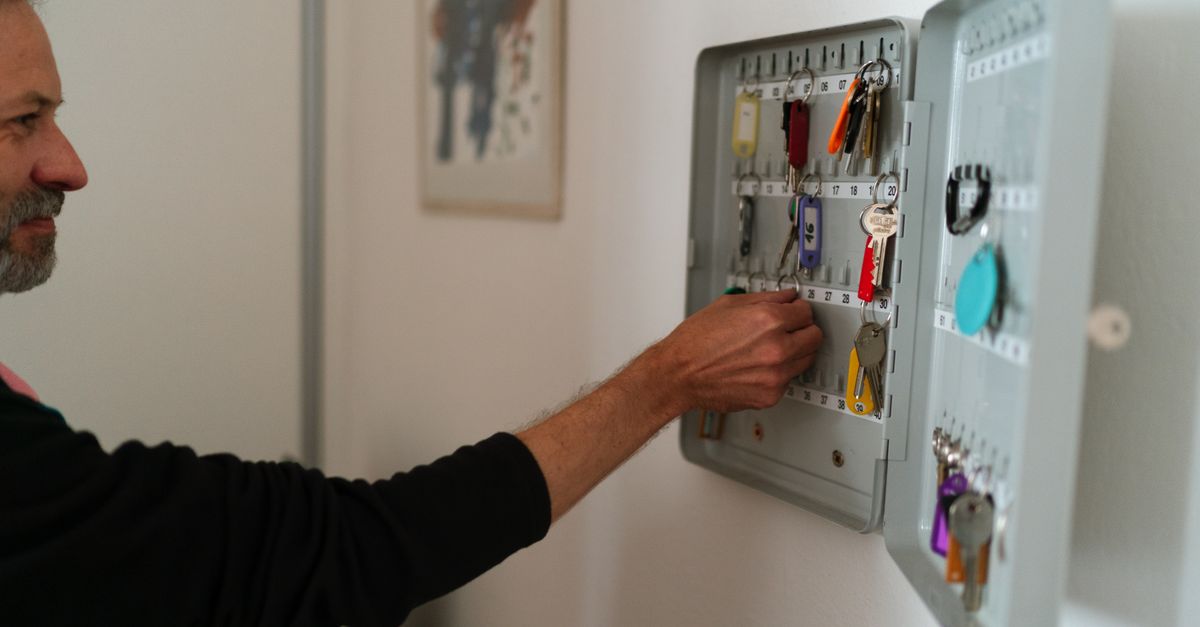
A tiered keying hierarchy is built on the concept of levels of access, each nested inside the one above it. At the top sits the grand master key, which operates every lock in the system. Below that, you might have building master keys — one per floor in an office tower, or one per wing in a hotel — followed by departmental or zone masters, and finally individual change keys that open only one door. For large San Antonio commercial properties, such as mixed-use developments near the Pearl District or multi-building campuses, you can add a great-grand master level that unifies several independent buildings under a single key. Our commercial locksmith team maps out this structure in writing before a single lock is touched, so every stakeholder understands exactly who can go where.
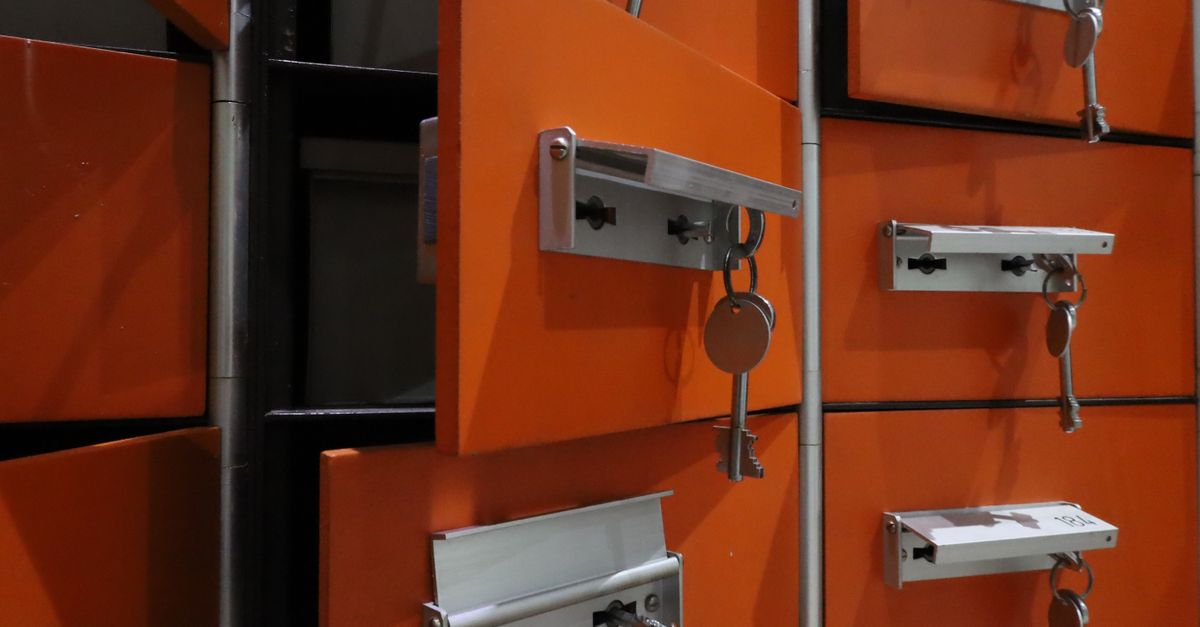
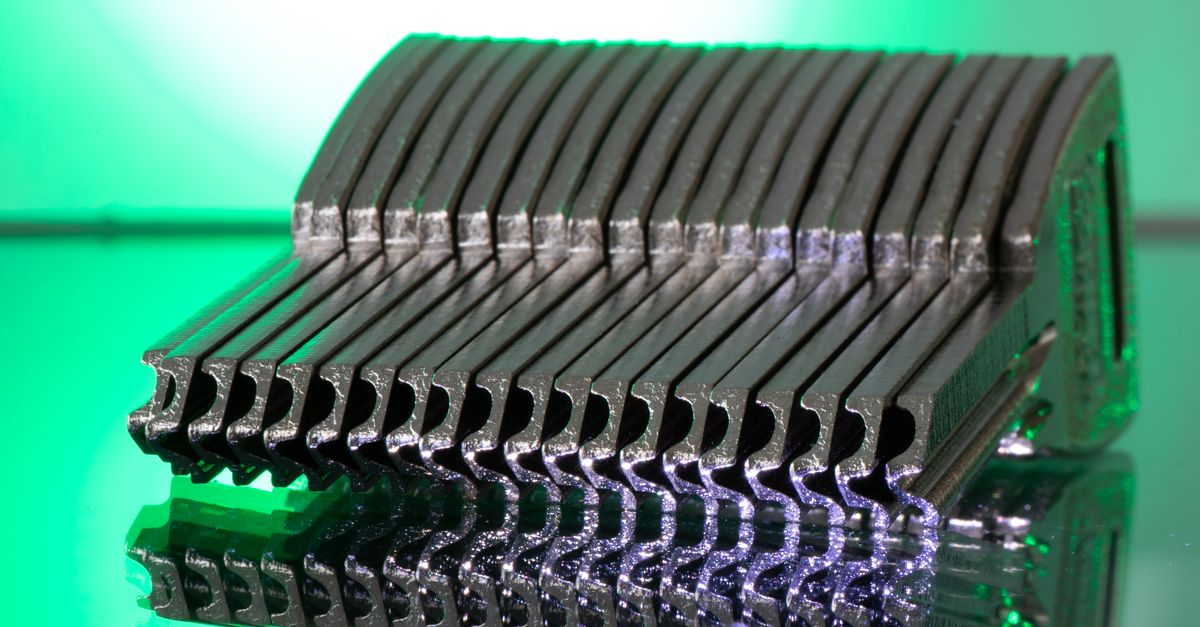
The mechanics behind the system live inside the lock cylinder itself. Standard pin tumbler cylinders use driver pins and key pins; in a master keyed lock, a third element — the master wafer or an additional pin segment — is added to create a second shear line. This is why the quality of the cylinder matters enormously. We routinely work with high-security mortise lock bodies from established hardware lines, because their tighter manufacturing tolerances mean fewer accidental cross-keys and far greater resistance to picking or bumping. A mortise lock, installed flush into the door edge rather than surface-mounted, also offers superior structural integrity — critical for commercial doors that take heavy daily traffic on San Antonio's busiest properties.