
Why Mortise Lock Access Control Is the Commercial Standard
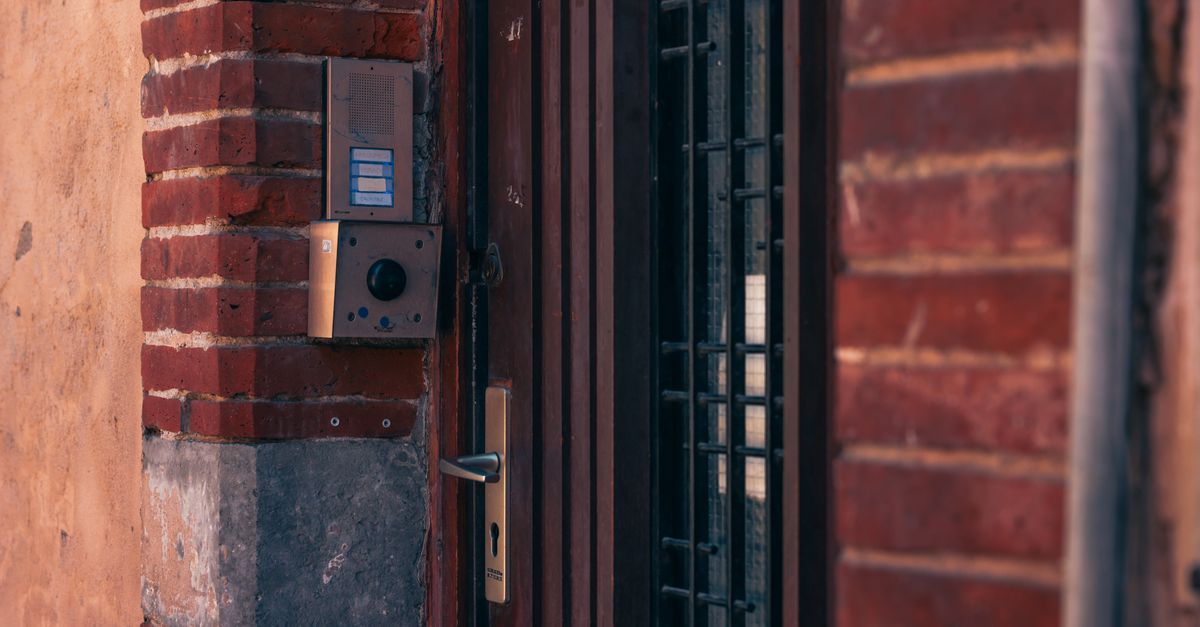
A mortise lock's internal case houses the latch, deadbolt, and often an electrified strike or solenoid in a single reinforced unit machined into the door itself. That construction is why architects and facility managers specify it for high-traffic commercial doors: banks, law firms, medical suites, and hospitality venues all rely on mortise-body hardware because it resists forced entry far better than a cylindrical knob lock ever could. When you layer electronic access control on top — a proximity reader, a PIN keypad, or a mobile-credential system — the mortise chassis provides the mechanical backbone that keeps the electronic components secure even under physical stress.
Our technicians work with a wide range of grade-1 mortise hardware, including Schlage L-Series and similar commercial-grade bodies, and can retrofit an existing mortise frame with an electrified trim package or replace an aging door knob lock assembly with a full mortise unit. We assess the door prep, the frame strike pocket, and the wiring pathway before recommending any hardware, so the end result is a clean, code-conscious installation — not a patchwork of adapters.